Content with my cans

Content with my cans

As part of my personal accountability plan, I have listed on my project page all the rooms of our house that need a deep cleaning.  Okay, so every room in the house is on that list – this whole place needs some attention!  But at least I have a starting point. . .

In an effort to stay on task and clean one room this month, earlier this week I recruited Don to help me bring some order to the food room.  As I finished up today and admired the neatly stocked shelves, I began to muse about this underground room in the far corner of the basement.

Gray walls and blue water jugs - a vision of loveliness!

Our food storage room is not a pretty room; the gray cement walls are set off nicely by the gray cement floor covered with orange shag and yellow sculptured carpet pieces left from another decorating era.  Cobwebs collect dirt in the corners, and the ceiling is accented by metal heating ducts.  The only real color comes from the labels on all the canned goods, so of course nothing matches.  And it’s cold in there!  A screened vent to the outside allows the room to be cool in the summer, but really nippy in the winter.

Lining up an apartment?
Making plans to meet a friend?

The shelves sport a little graffiti – phone numbers or addresses engraved with a ball point pen by my youngest brother Tom.   When all the family was home, and his bedroom had been given to a married sibling with children, Tom pulled a roll away bed into the food room and set up housekeeping for the duration of the family visit.

Because of its remote location in the far corner of the basement accessible only through the laundry room, I often neglect or completely ignore regular cleaning and maintenance of the food room.  Flour spills commonly adorn the orange carpet, evidence of restocking the kitchen canister from the big buckets downstairs.  Sacks and boxes of groceries dropped just inside the door may create an obstacle course through which we carefully maneuver to retrieve a can of tomato sauce.  One lone and sprouting potato could be resting on the trunk of Christmas decorations.  It’s very easy for me to pay little attention to a room that we only dash in and out of, one that never hosts a family gathering or sees a visitor.

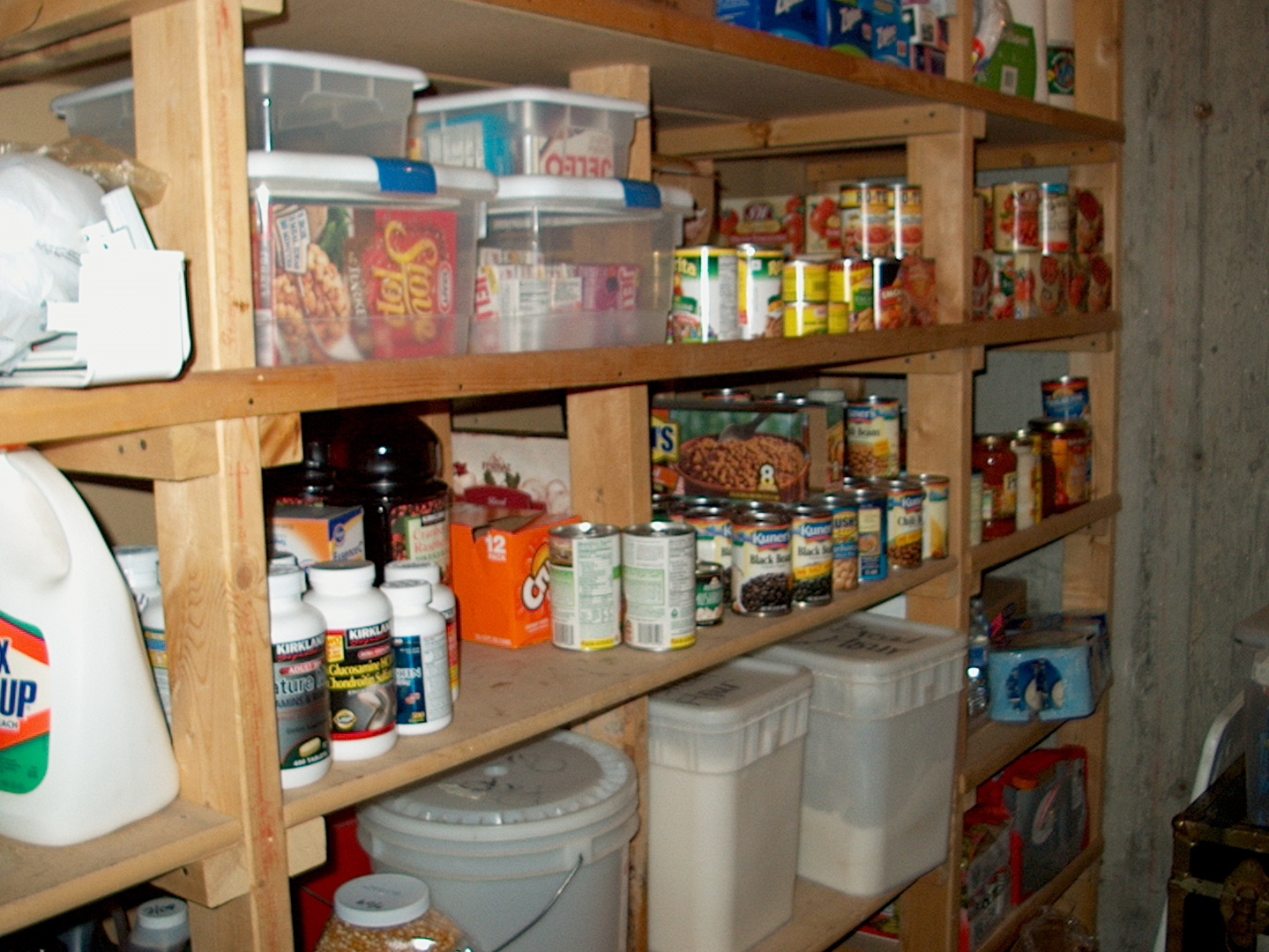
Tomatoes, spaghetti sauce, and beans, oh my!

But in spite of its lowly status, the food room is central to our household.  It is the foundation of many family meals.  “Go get a can of chicken broth from the food room.”  It is cold storage for Christmas goodies.  “The Special K bars are in a Rubbermaid container on the right side, middle shelf.”  It’s our own convenience store, conveniently located in our own basement.  “You forgot green chilies for the enchiladas?  That’s okay.  They’re on the left side, middle shelf.”

I’m certain that our kids have their own memories of that cold, simple room.  When they were younger, I know they used to sneak treats out of an infrequent stash of junk food.  Occasionally the room was stocked with cases of soda or candy bars that had been on sale, and I would find evidence of their not so discreet pilfering in abandoned wrappers on the shelves or floor.  Brittney tells about talking to Peter on the phone while they were in high school and hearing him ponder what canned food would taste best cold, right off the shelf as he anticipated an evening snack!
Buckets of flour and
Buckets of flour and sugar supply some of the basics.

Although the kids have left home and our choices of food have changed in the last 20 years, our food room continues to provide peace of mind and encourages us to heed the counsel often repeated by our prophet.  Because of its design for a specific purpose (my parents were genius to include a cold storage room when building this house), with shelves lining those gray cement walls, we are able to buy in bulk and maintain a supply of food right here in our own home.

“. . . I wish to urge again the importance of self-reliance on the part of every individual Church member and family.

None of us knows when a catastrophe might strike. Sickness, injury, unemployment may affect any of us.

We [the Church] have a great welfare program with facilities for such things as grain storage in various areas. It is important that we do this. But the best place to have some food set aside is within our homes, together with a little money in savings. The best welfare program is our own welfare program. Five or six cans of wheat in the home are better than a bushel in the welfare granary.” Gordon B. Hinckley, October 2002 –  complete talk here

Our inventory revealed that we’re doing okay on vitamins,

Can't forget the vitamins

but we’re a little short on toilet paper.

Absolute necessities

Home to lots of good food, plenty of memories, and (unfortunately) a rare mouse, our now clean and organized food room is a little corner of happiness to me!
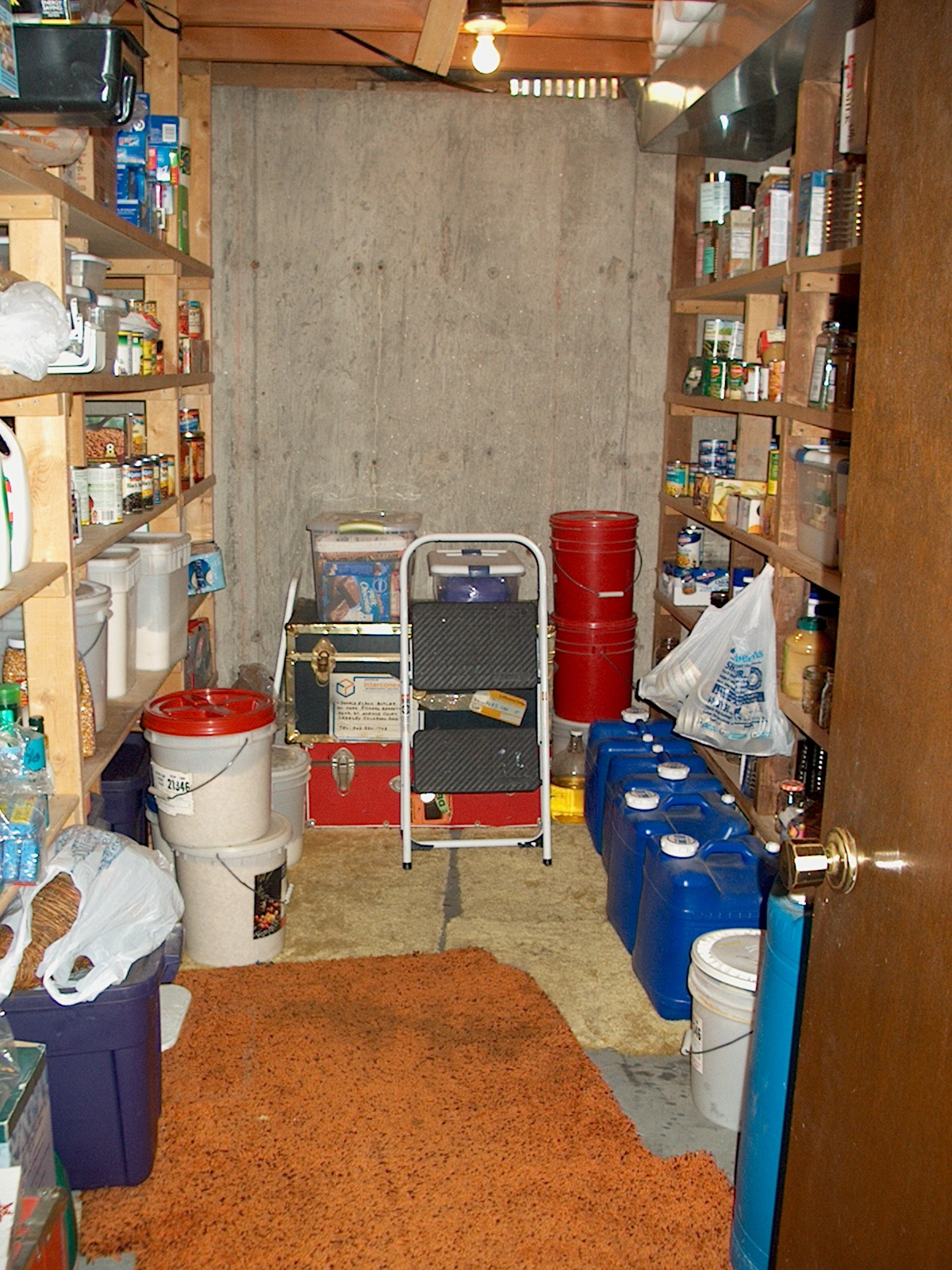
An insider's view
An insider's view


Remembering Eliza Brown

Remembering Eliza Brown

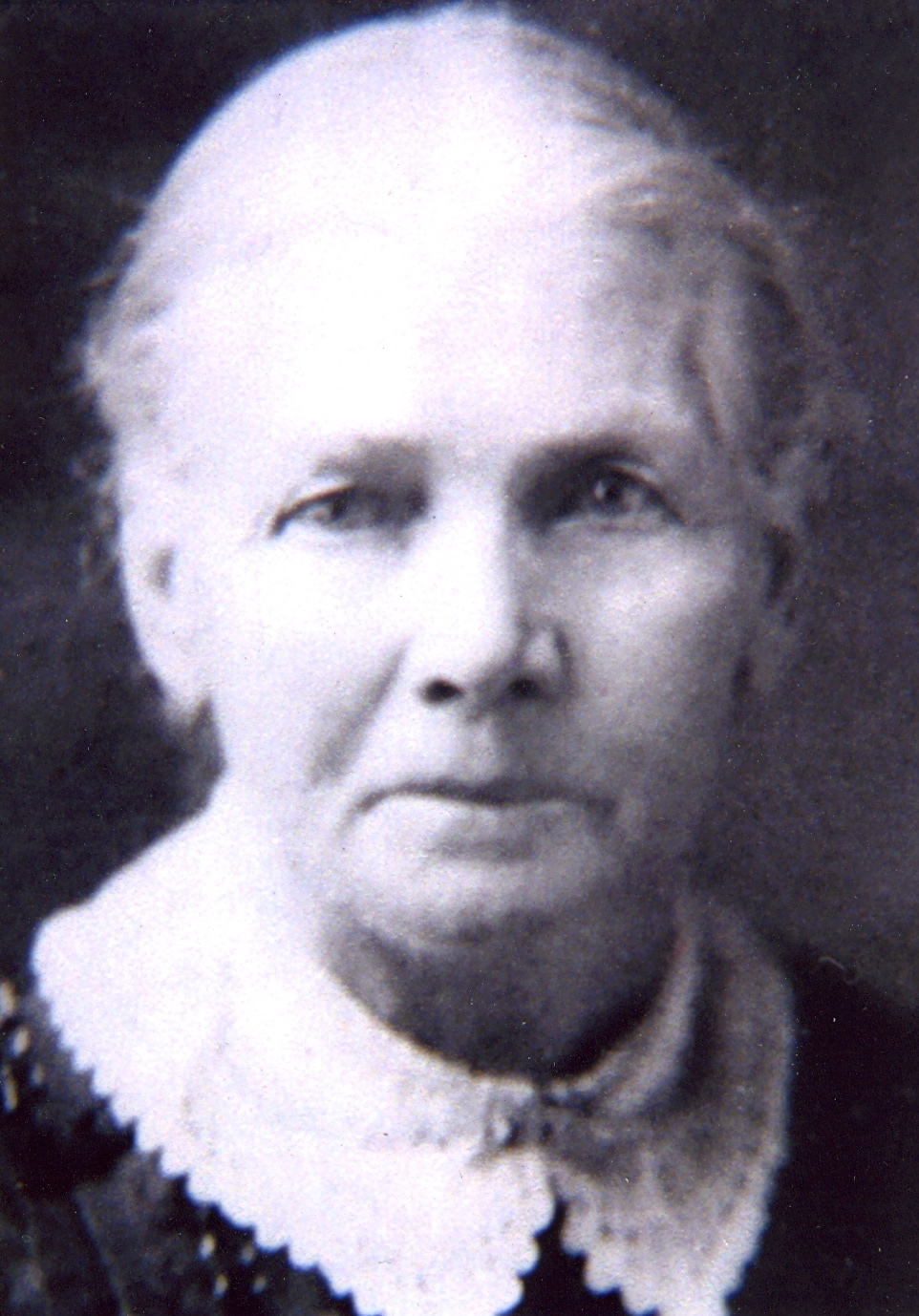
Eliza Brown White Brown

Eliza Brown White Brown
January 30, 1847 – January 28, 1929

For as long as I can remember, I have giggled at this great grandmother’s name (my father’s maternal grandmother).  After all, “Eliza Brown White Brown” has quite a rhythm – she was born Eliza Brown, married John White, then married Thomas Brown.  But after reading – really reading – her history, my feelings have been focused, and her unusual name has become a standard of hard work and perseverance and deserves my greatest respect.

As I read the account of her life, I found myself studying her picture and pondering.  How I wish I had known her!  My heart was touched when I thought about that little girl living in an unfamiliar home as a housekeeper and nanny when just a child herself.  What a heartbreak that must have been for her parents, and what a difficult experience for her.

In honor of her birthday, the following is an excerpt from her history written by her son, Nephi James Brown, detailing her early years.  In later posts I’ll share events of her adult life.  She truly was a remarkable woman.

Eliza was born in the country town of West Lavington, Wiltshire, England – the daughter of John Brown and Sarah Mundy.  When she was about three years old, her mother died of a sudden illness at just 34 years old.  Eliza went to live with her maternal grandparents, William and Elizabeth Mundy, who were very kind to her.  About the first things she remembered while she was living with them was having a little red chair and two or three very meager toys to play with.  The grandparents were not really in a position to keep her very long.  About a year later, Eliza’s father married Jane Wilkins, and Eliza then returned home to live with them.  When she was about five years old, she began to go to school in a little thatched roof schoolhouse where the morning was spent in reading, writing, and spelling.  In the afternoon she was taught sewing.  Owing to the poor circumstances of her father, she was only permitted to go to school a short time after she was eight years old.  It seems incredible that she ever learned to read and write as well as she could during her lifetime with such a meager amount of school.  At that time in England it seemed that child labor was encouraged rather than restricted, unlike later years when they were compelled to keep children in school until 14 years of age.  Eliza always greatly regretted that she only had about two and a  half years of schooling.

Her first employment commenced when she was a little past eight years old in a silk factory [winding silk threads on little spools] – hard work, and long hours for the unbelievable small amount of 10 cents a day – a ten hour day – one cent an hour – 6 days a week.  She continued her work at the silk factory for about 9 months.  She paid 12 cents a week for a place to sleep.

Eliza next went to Bristol as a servant girl for her Aunt Ann Dyer.  She lived there and at two other places in Bristol, working hard for her board and lodging.  She received however, in addition thereto, a salary of 12 cents a week. At the last two places, her work was very hard, and food in very scanty quantities.  From Bristol, she returned to West Lavington and worked in a bakery, where she was given quite fair treatment.

From there she went to Potterne and worked in a grocery store.  Here she endured the greatest hardships of any place she worked in England.  Besides her daily grinding routine of hard work, she had the care of four children, including a pair of twins.  Her living consisted of only bread and molasses, and was dealt out to her in meager quantities.  Her strength was so reduced, and her undernourishment through lack of food so apparent, she left and went back to her father and stepmother.  After regaining her health and strength at home through having sufficient food, she again went out into servitude.  At one home where she worked for a period of 6 months she was given her board and room, and in addition an increased salary of 24 cents a week.

Eliza worked at the silk factory and a driving, unrelenting housework for six years, from the time she was eight years old until she was fourteen.  She left the driving routine which had hounded her youthful years in March, 1861 – and also the harsh discipline of her hard-hearted bosses, and returned to her father’s home to live.  Her prior employers had demanded all work from her without giving her any time to play.  This change [move home] was made necessary because of the death of her stepmother, Jane Wilkins Brown.  Eliza kept house for her father and her brother George, , a rented house in the beautiful peaceful country town of West Lavington for a little more than two years.

Granddaughter, Myrtle B. Maathuis (my aunt) recalled that Grandma had marks on the back of her hands where she had been whipped for picking up scraps from under the table at one of the early places where she worked.

Granddaughter Afton B. DeHaan related that Grandma told her that while working in homes the days were hard and she had very little food.  In one home she had to sleep in the attic.  The lady of the house would give her one slice of “current bread” a day.  She [the lady] would butter it, then scrape the butter off – “bread and butter scrape.”

I am humbled.